

Tools I Trust on My Jewelry Bench
Hi there! I’m Nealay Patel, the owner and designer behind SilverSilk & More. I’ve been part of the jewelry-making world for many years, designing for magazines, demoing on TV shows like Jewel School, and creating a wide library of tutorials for our SilverSilk community.
Over time, I’ve learned that the right tools can make all the difference. And while it’s easy to get overwhelmed by the endless options out there, I’ve found that only a handful of thoughtfully chosen tools are truly essential for working with SilverSilk chain.
My go-to set is narrow but efficient. These are the tools I reach for every day in my studio: pliers, cutters, needles, thread, and even a few unconventional extras that help me crimp, wire-wrap, and stitch beads into mesh with ease. Most of my core tools come from Wubbers, which I love for their comfy grip and quality construction, but I’ve also included a few favorites from other brands that have earned their spot on my bench.
This curated list is ideal if you're just starting out with SilverSilk or looking to upgrade your toolkit. Everything here has been tested and used regularly, and I hope it makes your jewelry-making journey easier and more joyful.
Wubbers Proline Chain Nose Pliers
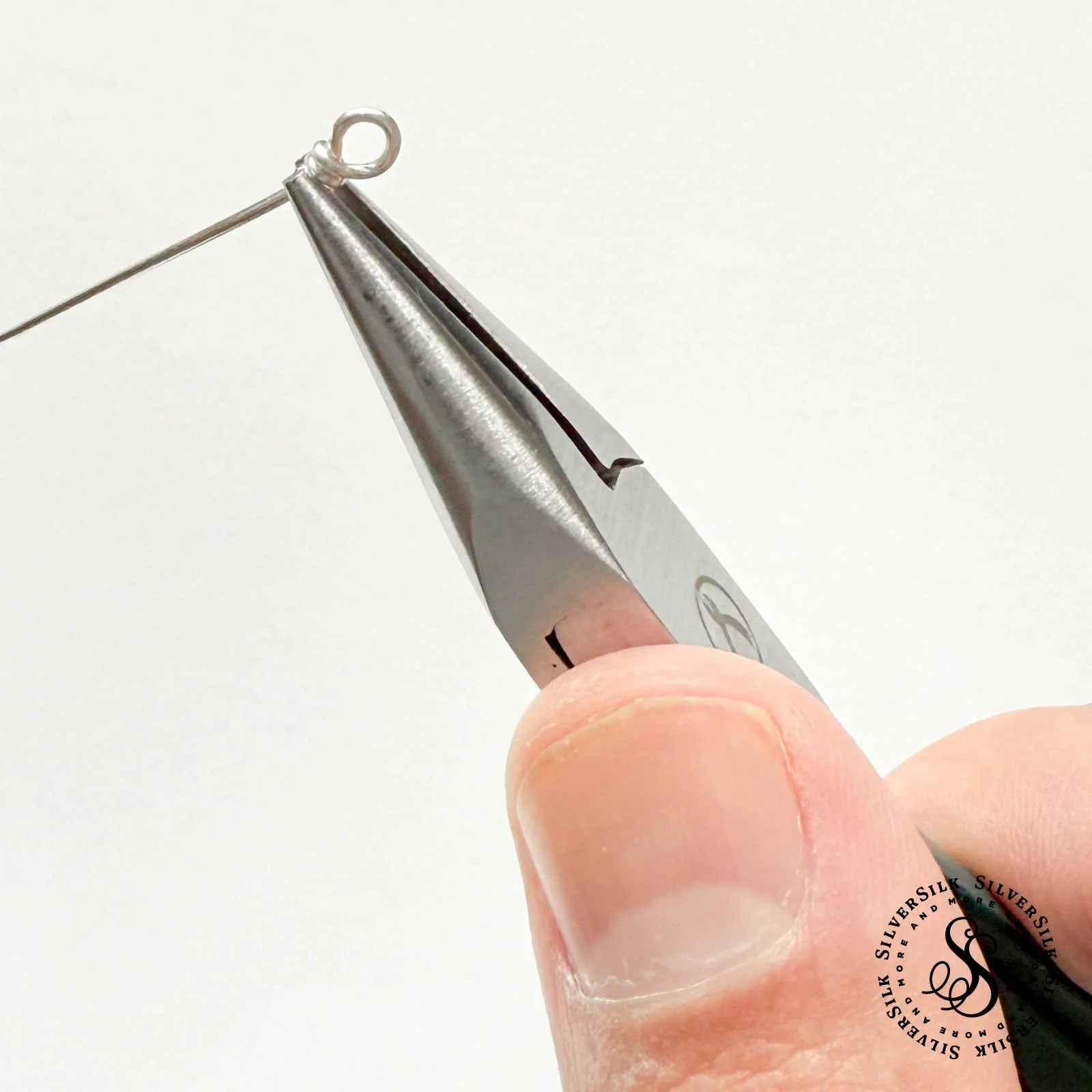
I keep these on my bench every day. The long, fine jaws taper from about 1.5mm at the tips to roughly 6mm, with a working length close to 23mm. The overall length is about 5.75 inches, and the cushioned, spring-action handles feel easy on the hands. The smooth jaws grip firmly without marring metal or coated surfaces.
I reach for this pair when I need control in tight spaces. I use them to adjust wire wraps, hold small beads during stringing, and pluck tiny wire strands from freshly cut SilverSilk ends before crimping. They are also great for guiding a beading needle through snug beadwork and for any task where I want to grip close to the tip with more precision than my fingers can manage. Reliable, comfortable, and precise is exactly what I want from chain nose pliers, and these deliver.
Wubbers Proline Round Nose Pliers
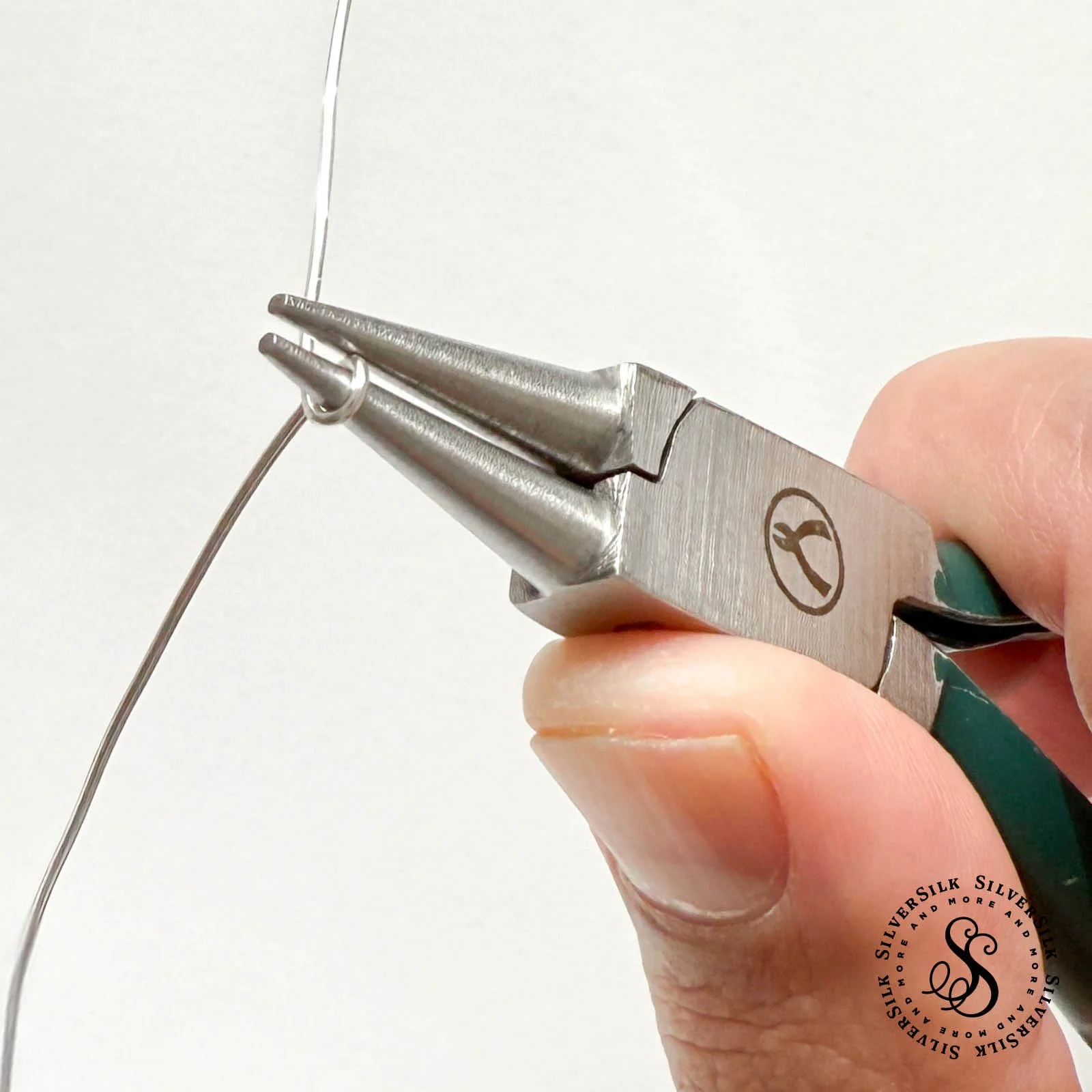
When it is time to make wire-wrapped loops, this is the pair I pick up. The round jaws taper from about 1.5mm to 5mm, so loop size stays consistent just by placing the wire higher or lower on the jaws. They handle 18- to 30-gauge craft wire with clean control for tight coils, open spirals, and wrapped connections that line up neatly.
The ergonomic grips have a non-slip, suede-like coating that feels secure in the hand and gives extra control during longer sessions. With SilverSilk, I use this pair to form wrapped connectors, eyepins, and to build accents or chain links with wire. My favorite part is the fine, well made tips. They help me hone wire-wrapped loops that look polished and intentional. The true artistry is in the details, and these pliers make it easier to get those details right.
Wubbers Flat ProLine Pliers
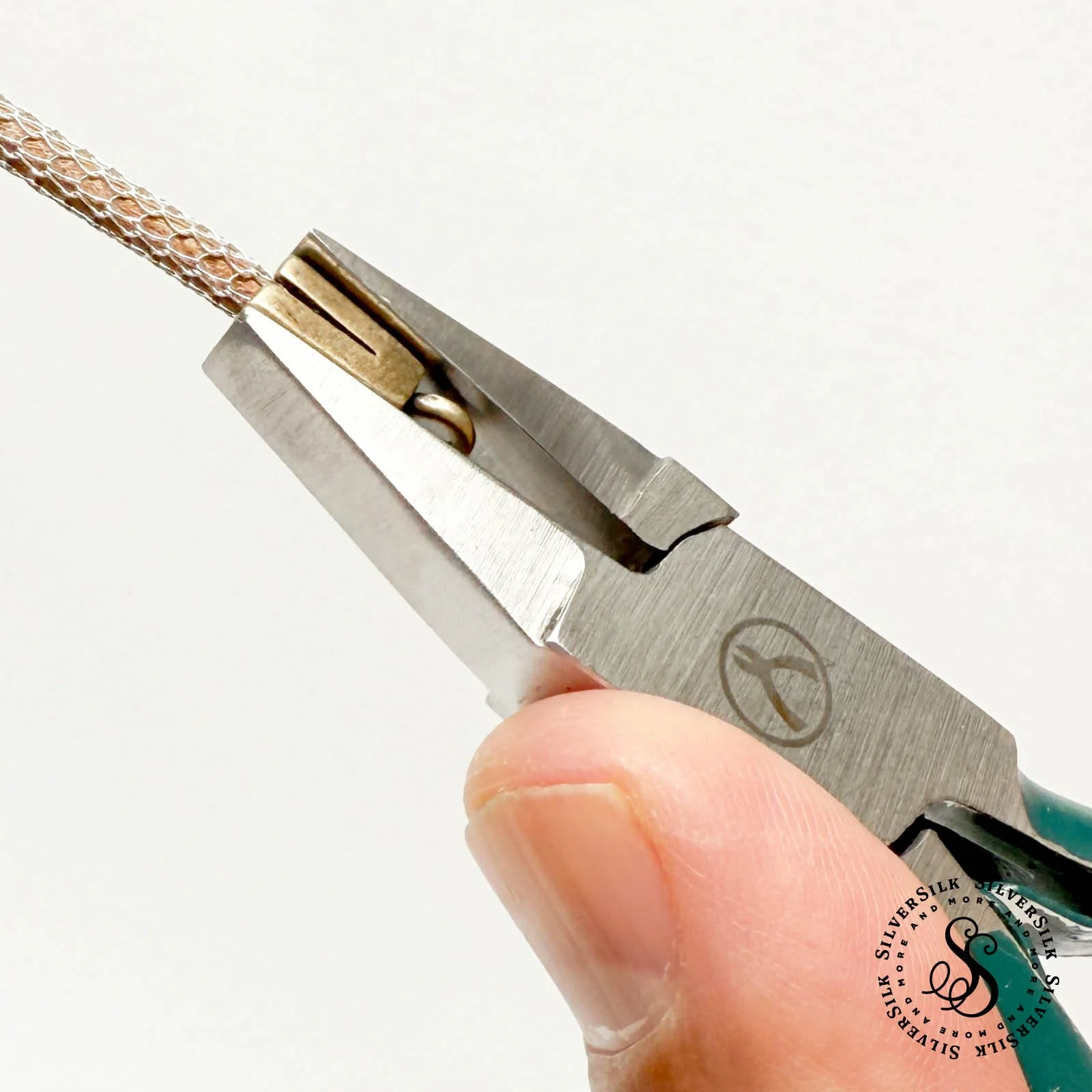
For SilverSilk, I use these almost exclusively to crimp SilverSilk End Caps and Terminators cleanly. The smooth, flat jaws measure about 6.4mm across, so the finding sits fully inside the jaws and gets even pressure without scratches or dents. Chain nose pliers can crease metal because of their narrow tips, but these flats keep the surface smooth and the crimp uniform.
I do not coat them with Tool Magic anymore. It is hard to find, and with these pliers I have found it is not necessary. The ergonomic, non-slip grips feel secure, and the spring action helps reduce hand fatigue during repetitive finishing. If I want a crisp, unmarred crimp on SilverSilk findings, this is the pair I reach for.
Wubbers Bent Nose ProLine Pliers
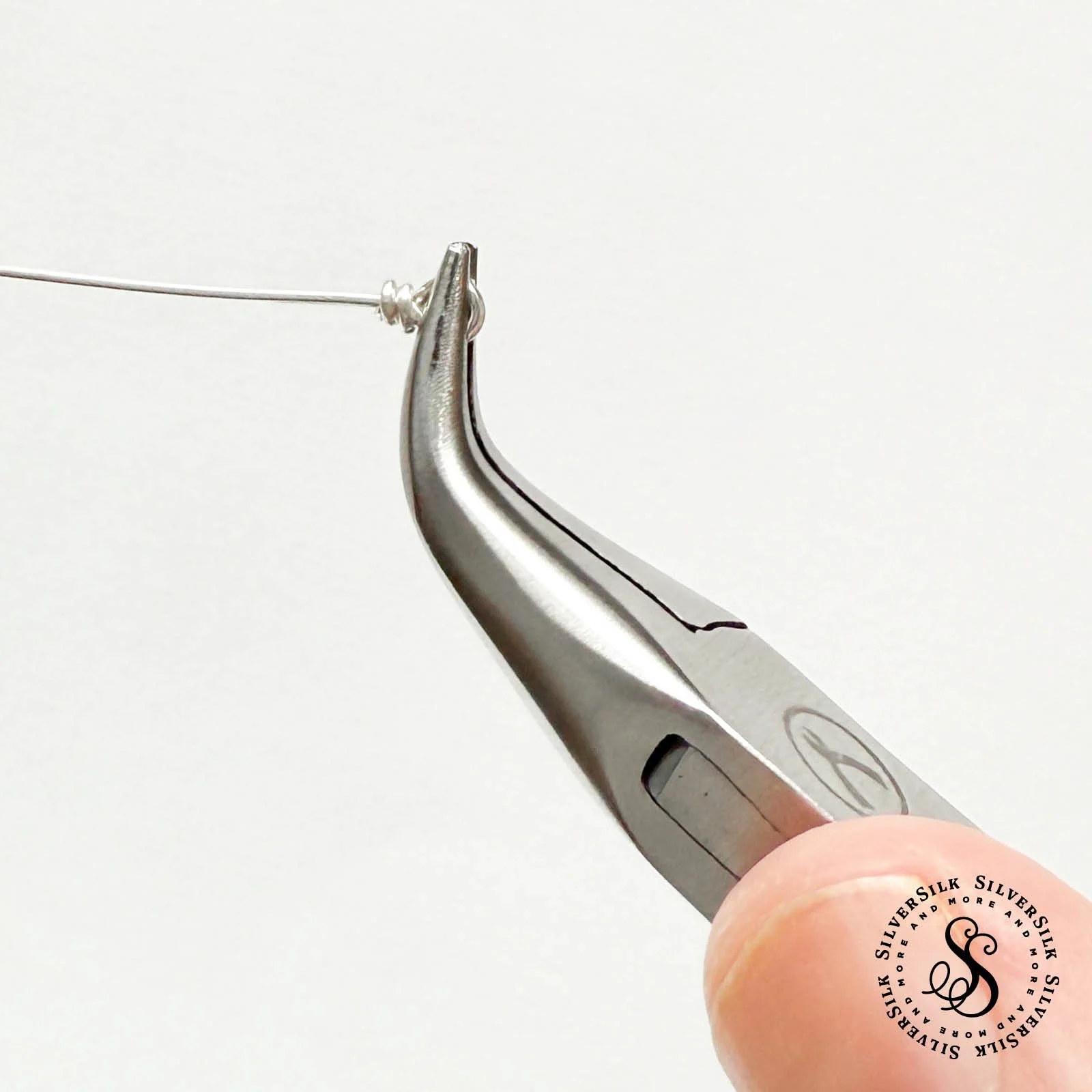
I keep a bent nose pair on my bench for the moments when straight tips just cannot get in there. The ProLine jaws are long and fine, tapering from about 1.5 mm at the tips to roughly 6 mm, with a working length close to 23 mm, and the midpoint of the jaw is bent at about a 70 degree angle. The overall length is about 5.75 inches, with cushioned, spring-action handles that feel easy on the hands.
I use these most when I am making wire-wrapped loops. The bend lets me hold the loop steady while I wrap, or tuck the tail back into the coil, without twisting my wrist into an awkward position. They also help me flatten crimps in tight areas and grab tiny wire ends at the cut edge of SilverSilk before finishing. I often pair them with a straight chain nose plier in my other hand for extra control. Not an absolute must for everyone, but very handy if you do a lot of wire work in close quarters.
Wubbers ProLine Nylon Flat Nose Pliers
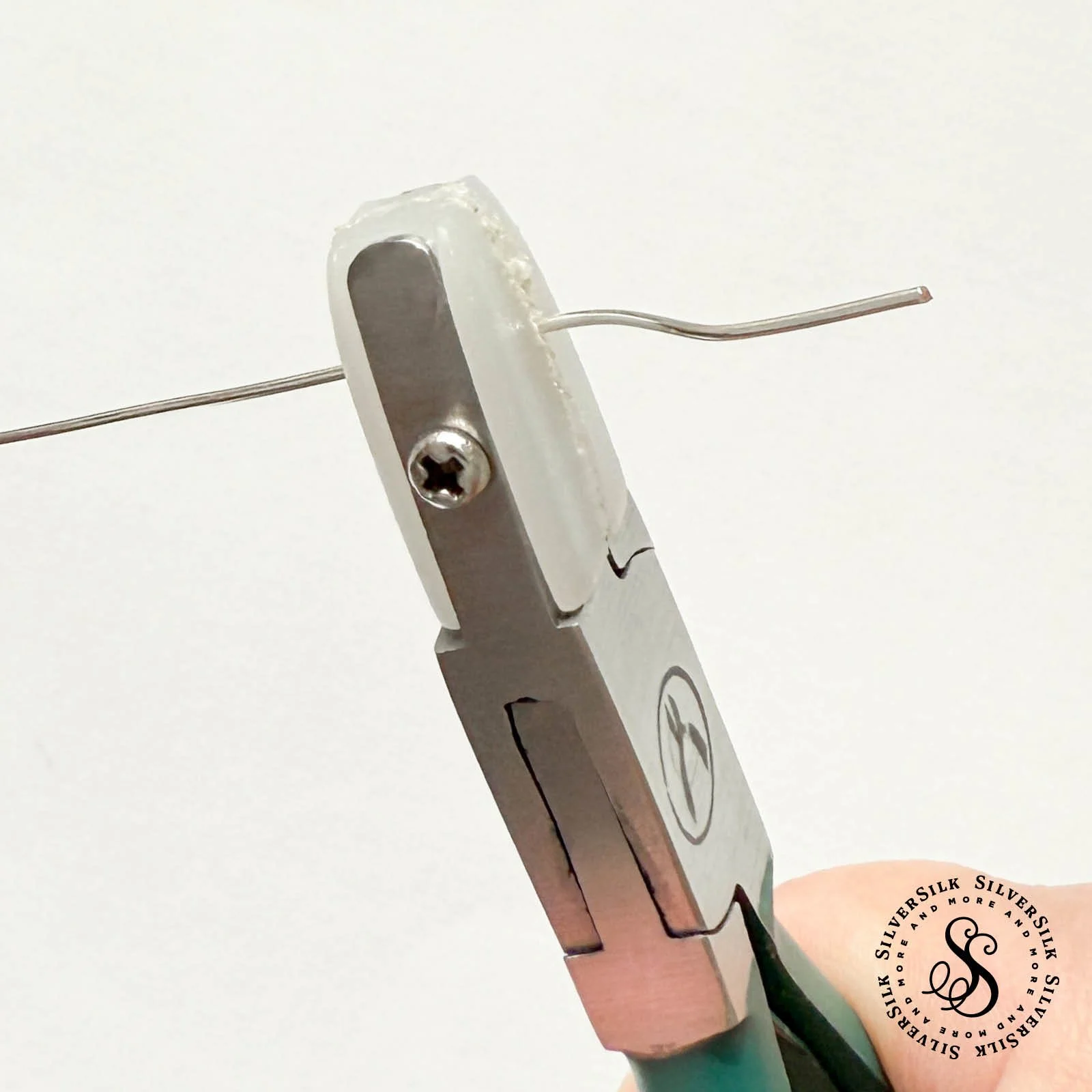
These are my “fix-it-fast” pliers for wire. The smooth nylon jaws measure about 8.0mm wide at the tip and 25mm long, which lets me grip and glide along craft wire or head pins to remove kinks without scratching the finish. A few gentle passes through the jaws and the wire relaxes back to straight and smooth.
I use them to prep eye pins, straighten wrapped connectors, and tidy wire before attaching to SilverSilk. I do not use these for crimping SilverSilk End Caps or Terminators. The nylon can slip and will not deliver the firm, even pressure a clean crimp requires. For crimping, I switch to the steel Flat Nose ProLine pliers.
The ergonomic, non-slip grips feel secure in the hand, and the spring action keeps the motion easy during longer sessions. If wire needs straightening without marring, this is the pair I reach for.
Lindström Flush Cutters
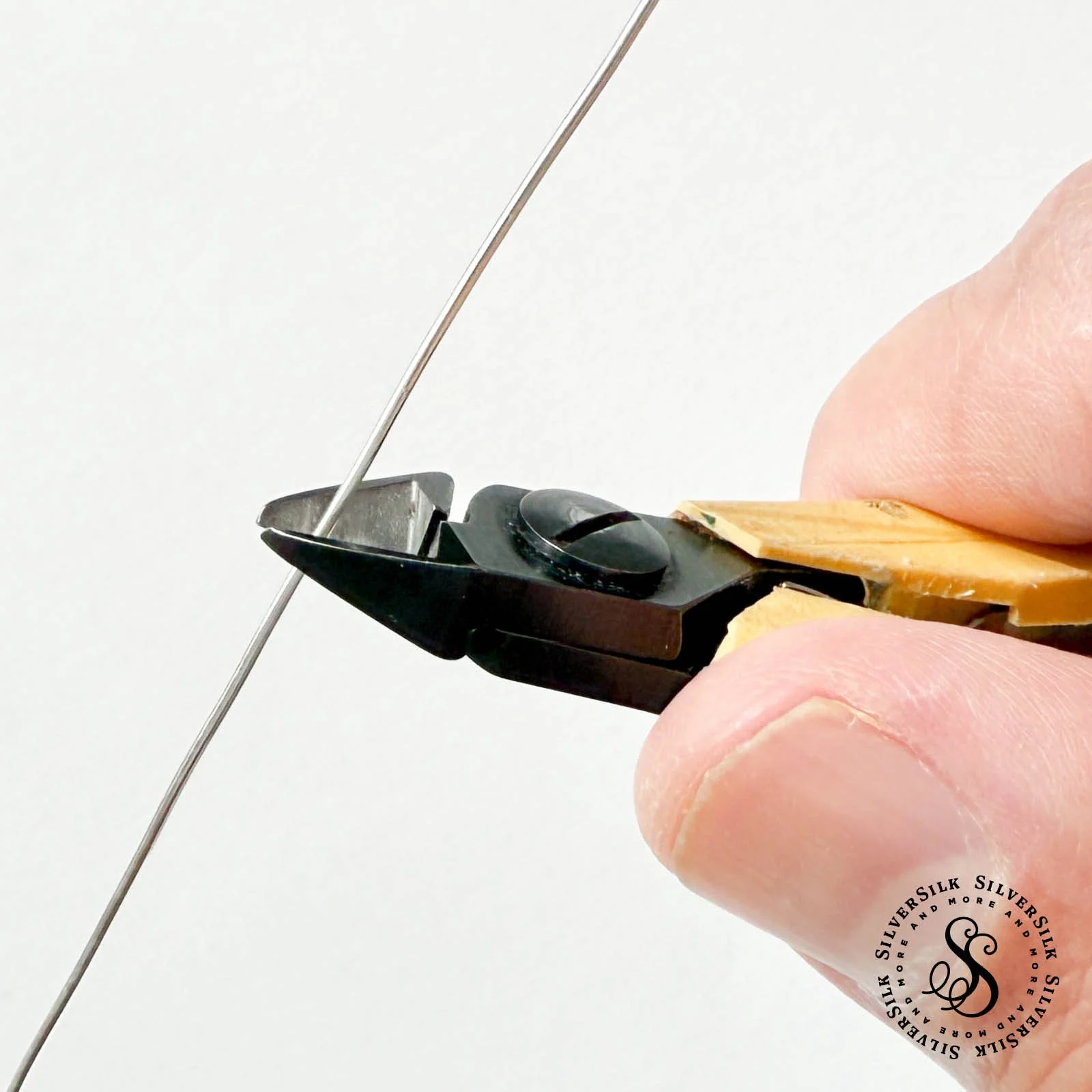
These are the cutters I keep closest to my bench mat. They make clean, flat cuts on thread, beading wire, and half-hard craft wire, which means fewer burrs to sand and neater finishes on wrapped loops and eyepins. The adjustable screw joint keeps the blades aligned, the jaws are precision induction-hardened to Rockwell 63–65, and the forged high-grade steel has stayed sharp for me for years. Double-leaf springs and non-slip handles make them easy on the hands, and the small, compact size makes them great for travel or easy storage.
For SilverSilk projects, I reach for these first to cut SilverSilk chain cleanly. I also use them to trim head pins and craft wire ends, clip beading wire when finishing clasps, and tidy stray wire fibers before crimping end caps or terminators. I do not use these on memory wire. Tempered steel can nick any flush cutter, so I keep a dedicated pair of memory-wire cutters for that task.
Magical Crimping Pliers
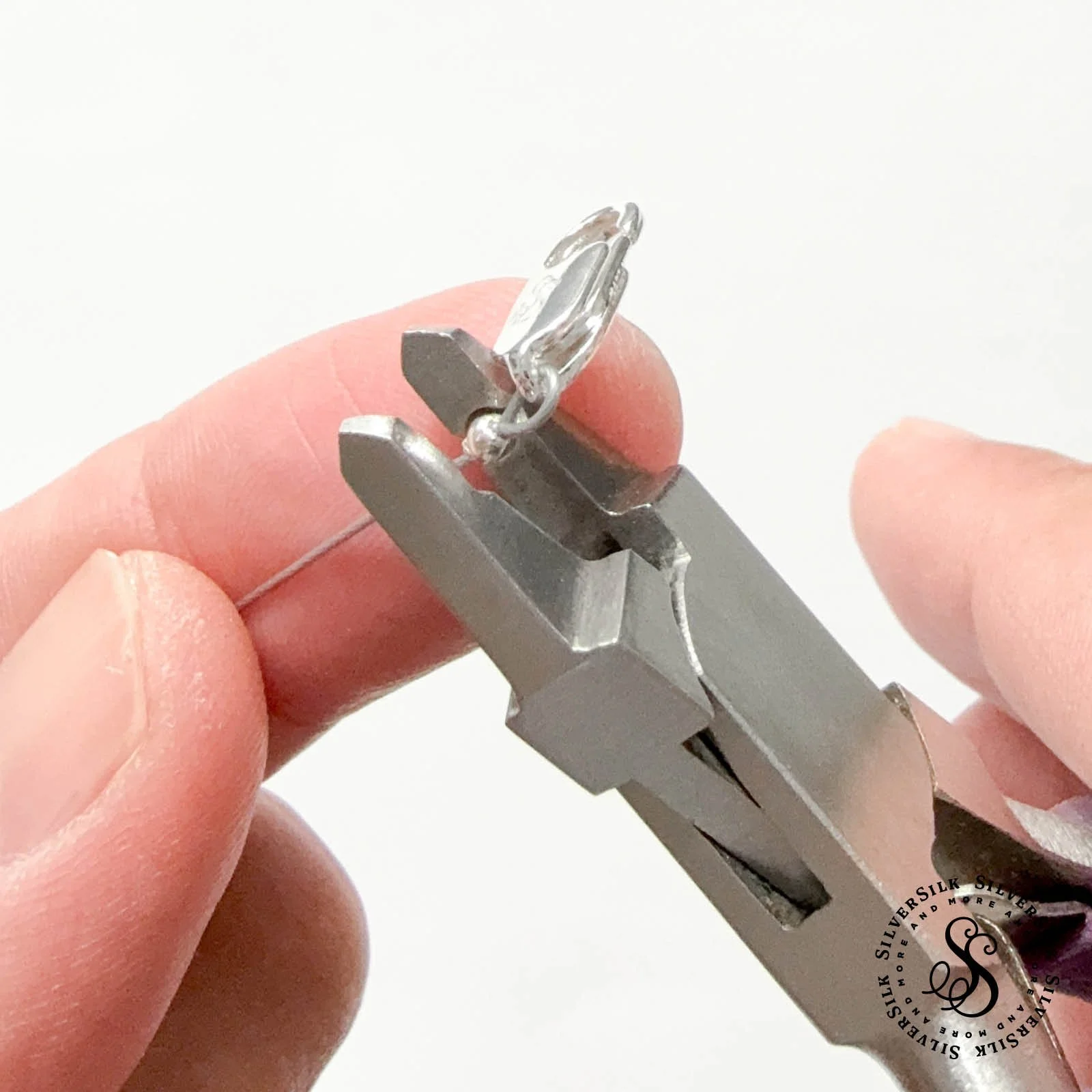
I use these for most of my crimping. They are designed to turn a 2x2mm crimp tube into a neat, rounded bead without needing a crimp cover. Each jaw has a shallow, half-circle divot; when the divots meet, they shape the crimp evenly. Seat the crimp in the divot, squeeze, rotate a bit, and repeat until it rounds up. I also like the very fine, tapered flat tip on these pliers for making flat crimps, so the entire jaw ends up being useful.
A quick heads up from experience: they are not the easiest first tool for absolute beginners. Getting a perfectly round finish takes practice, and results improve when there is plenty of beading wire inside the crimp. I get the best hold using quality 2x2mm crimps and good beading wire, like Soft Flex. With a little repetition, these pliers give a strong, polished finish that looks great on SilverSilk designs without adding a crimp cover.
Xuron Crimping Pliers
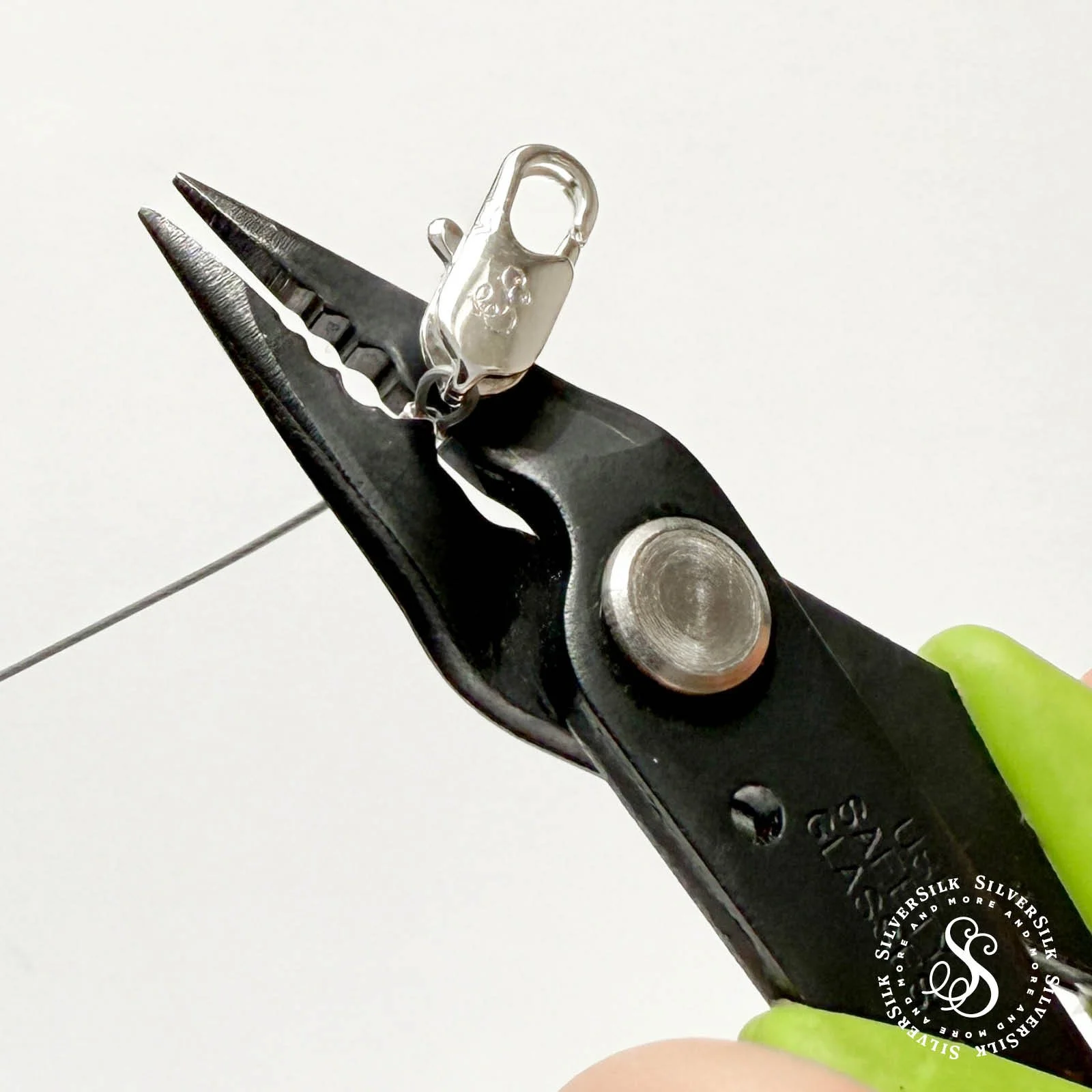
These are my go-to for making precise, folded crimps. Xuron’s Four-in-One Crimping Pliers have stations for 1mm, 2mm, and 3mm crimp tubes, so I can switch easily between sizes without needing a second tool. Each fold comes out neat and secure, giving my designs a polished, professional finish.
The tapered tips double as chain nose pliers, which I use often for small adjustments—especially when I need to open up a SilverSilk end cap just a little. The rubber grips feel comfortable during long sessions, and the spring return keeps my hands from tiring out too quickly. It’s a versatile, reliable pair that earns its keep on my bench.
Beading Awl
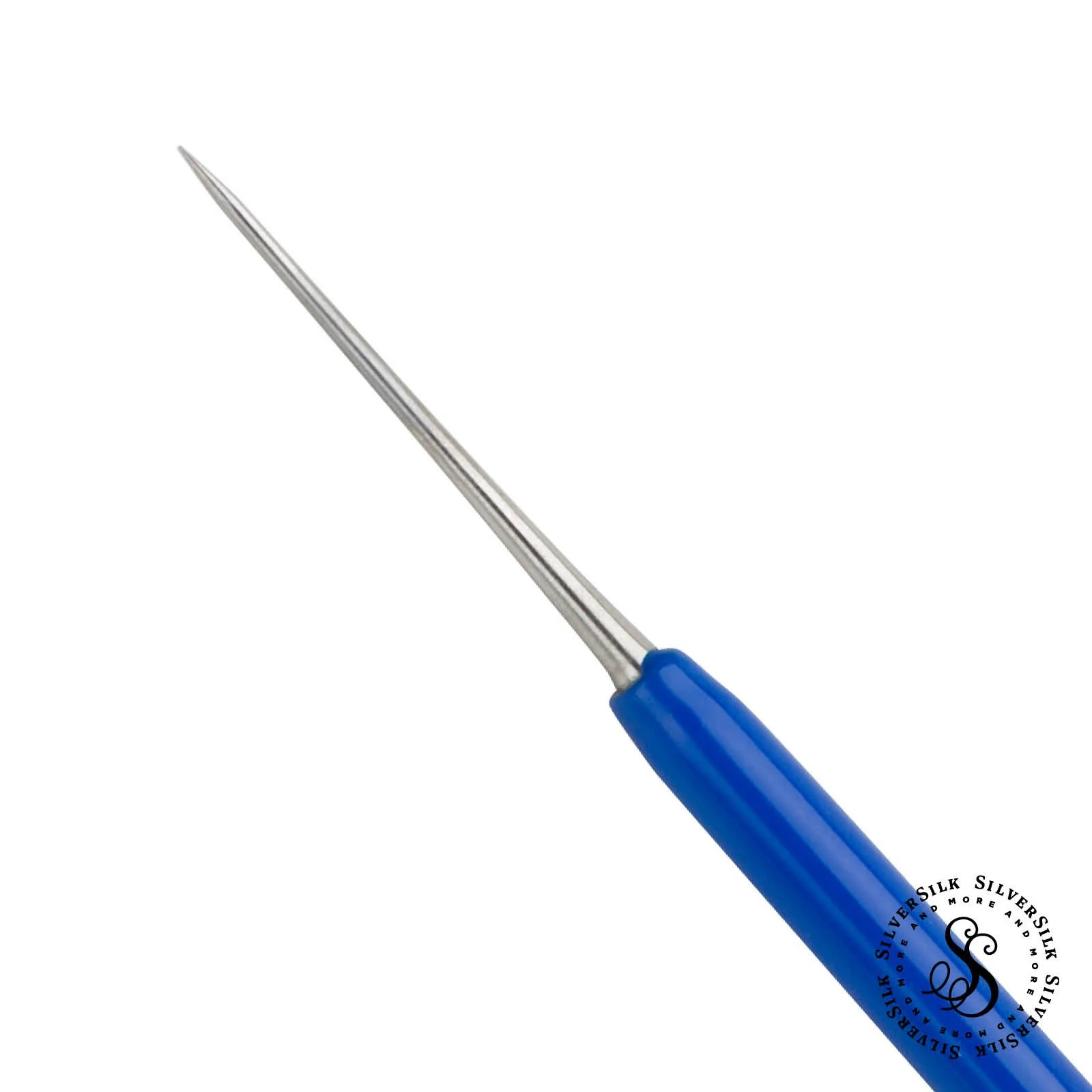
I always keep a beading awl nearby—it’s one of those simple tools that ends up being incredibly useful in all kinds of situations. The fine, stainless steel point is perfect for clearing stuck bead holes, widening crimp tubes, or fixing the shape of a simple loop. The comfortable PVC handle gives me great control without hand fatigue, especially during detailed work.
When I’m working with SilverSilk, this little tool really shines. The sharp tip makes it easy to gently open up sections of the knitted wire mesh to slide in a wire or create space for a needle to pass through. It’s a small, unassuming tool, but I reach for it constantly for fine adjustments and quick fixes that my pliers can’t manage.
SilverSilk Bead Board
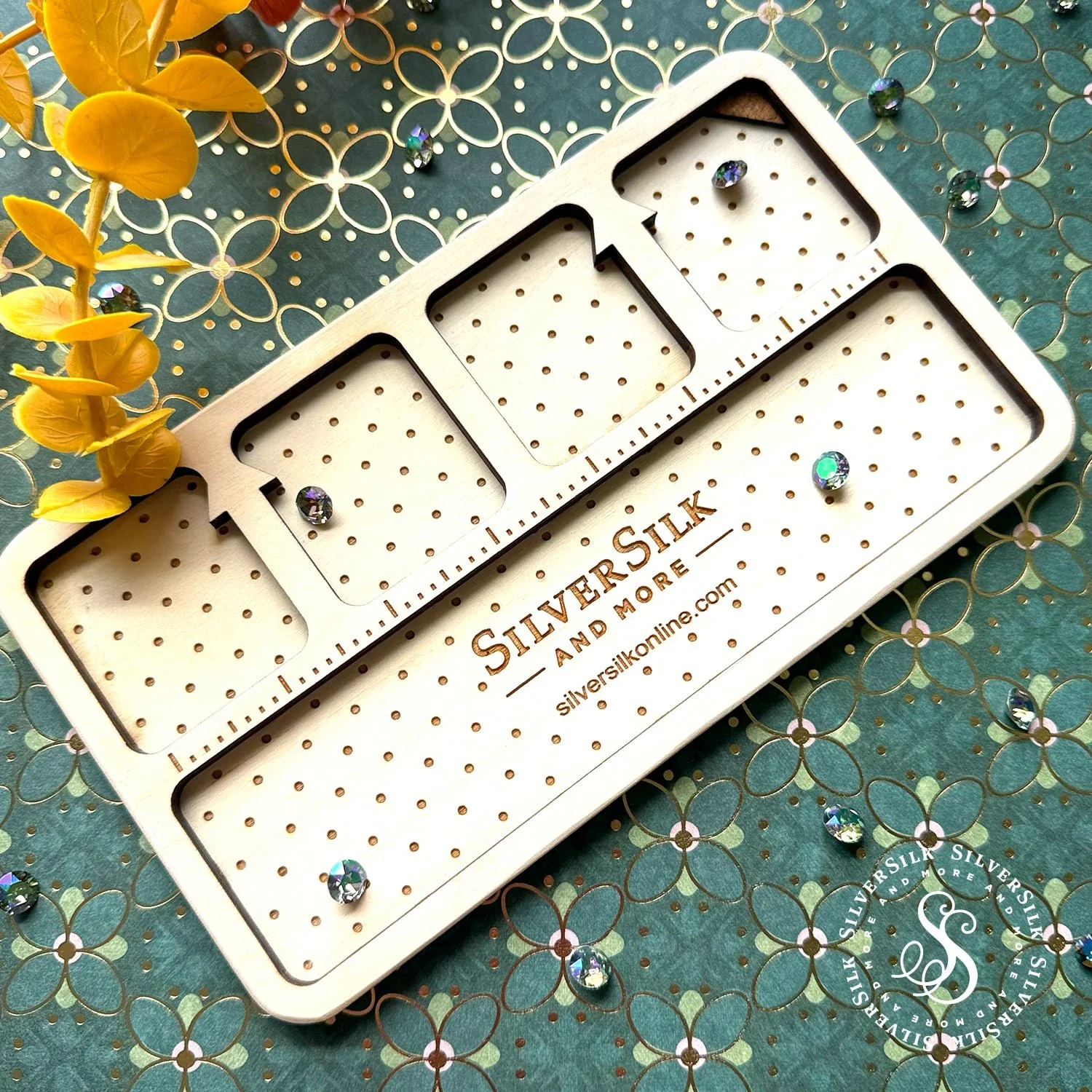
I use this bead board whenever I’m working with loose beads, seed beads, or planning a design layout before I start stringing or weaving. The board is 8" x 4.5" with three recessed trays that are 5mm deep, so beads stay contained instead of rolling all over the table. There’s also a cork pad for my needles and a built-in ruler (up to 7") that helps me quickly mark out necklace or bracelet lengths before I even start.
It’s especially useful when I’m mixing Czech glass, gemstone beads, and SilverSilk chain all in one design. I can lay everything out, arrange color patterns, adjust lengths, and make sure I like the layout before committing. It keeps my workspace organized and makes designing faster - and prettier.
Seed Bead Needles & Thread
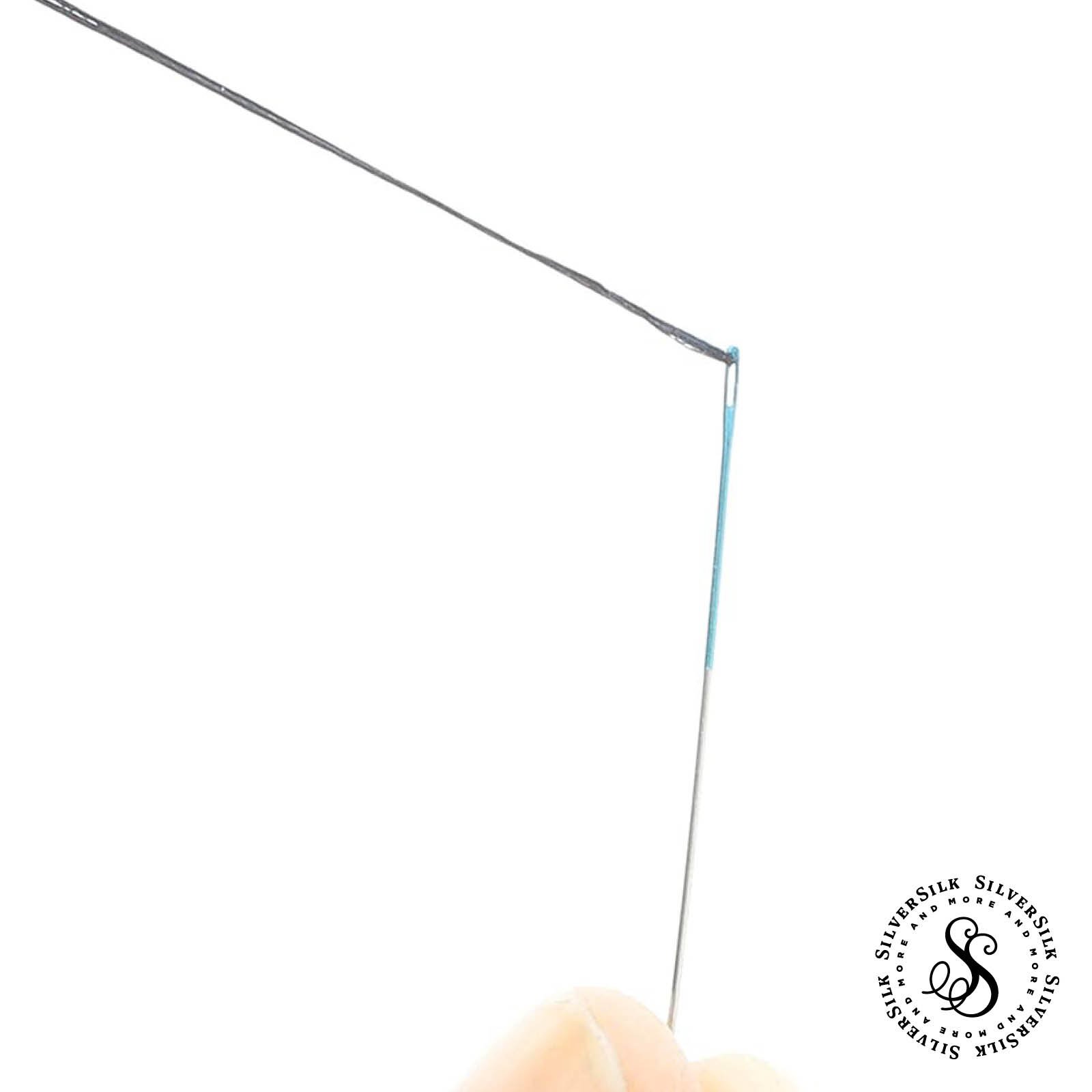
I always keep a few good needles within reach when I’m bead stitching or sewing. My personal favorite is the ColorEyes size 11 beading needle. It’s made from high-carbon steel and measures about 2.5 inches long, so it feels sturdy without being bulky in the hand. I love the colored tip because it’s easier to see and thread (and much easier to find if it hits the floor). These needles work beautifully for loom weaving, off-loom stitches like peyote, brick, herringbone, and netting, and for stringing seed beads, pearls, and sequins. The only thing to note is that they may not be the best choice for beads smaller than size 11 seed beads.
Beading Thread
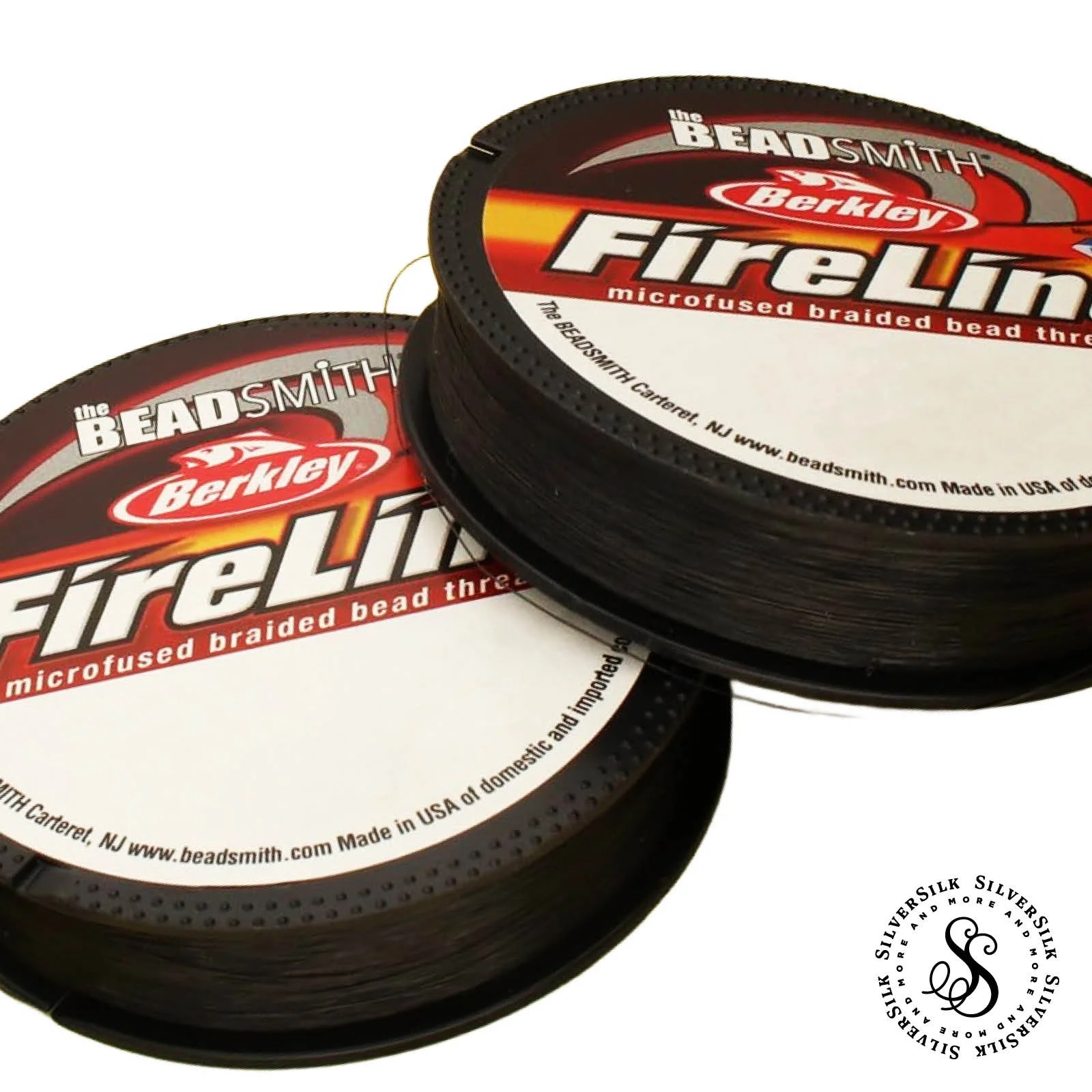
FireLine
For beadwork that needs structure and support, I reach for FireLine. It’s a microfused braided thread made from Dyneema, and I love how strong it feels without being bulky. It doesn’t fray, which makes stitching smoother and more forgiving, especially for beginners. I typically use the 6 lb test, which I find to be a great all-around size. I like Smoke for darker beads and Crystal for lighter seed beads, but honestly, either color is a solid option to have on hand. FireLine has a slightly wiry feel, which is exactly what I want when I’m creating tighter, more structured designs.
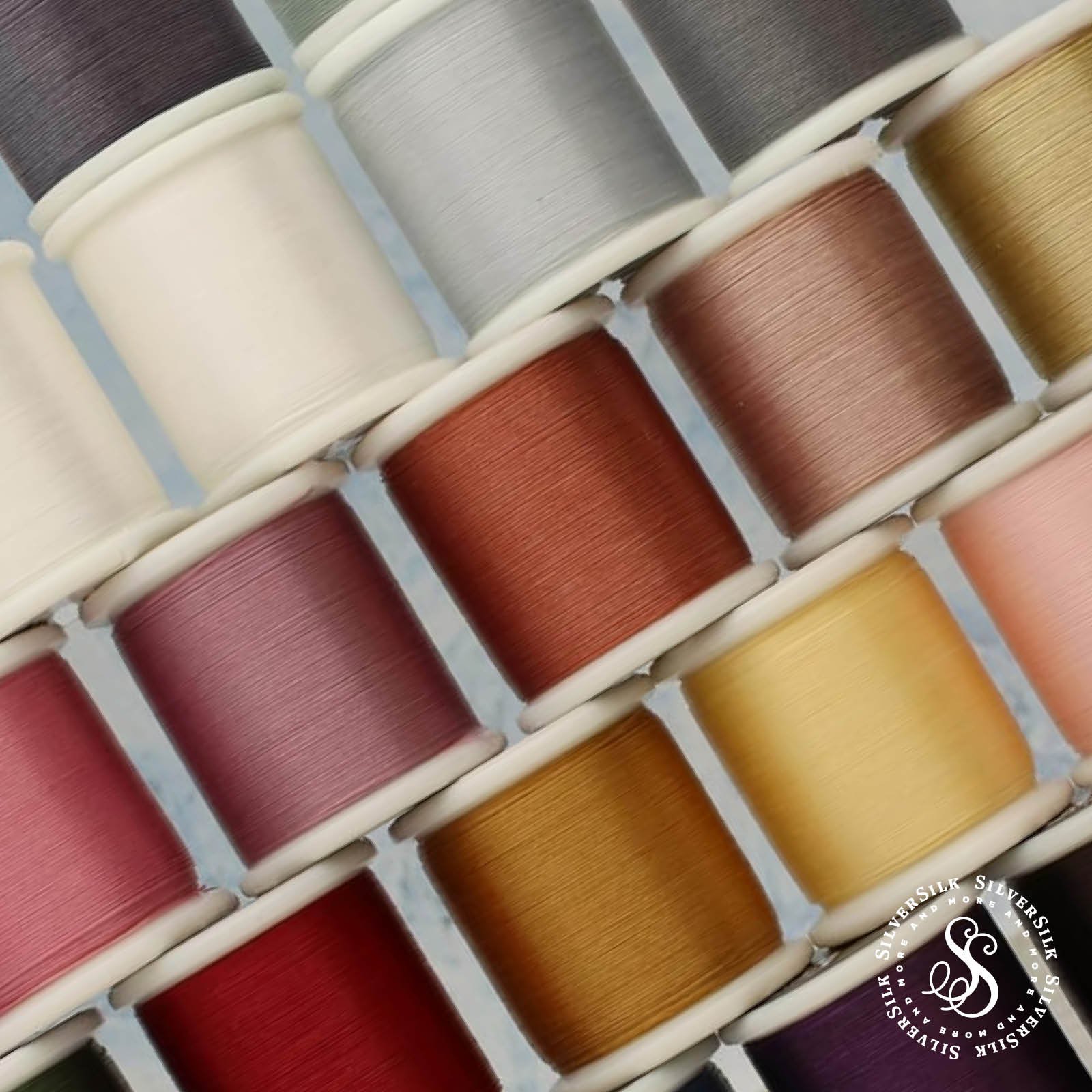
KO Thread
When I want movement and flow, especially for fringe or netting, I switch to KO Bead Thread. It’s smooth, and feels like stitching with the softest string, which gives beadwork a beautiful drape. I personally prefer it for designs where fluidity matters most, rather than stiff stitches like peyote or brick stitch. That said, it can be used for those stitches, especially as you gain experience. KO thread comes in a wide range of colors, which makes it easy to match your beads. If you ever want more structure from it, conditioning the thread with beeswax can help add stiffness and control.